

Quick answer
Most visitors stay inside or within a few blocks of the Barrio Histórico, Colonia del Sacramento, Uruguay, because the walled quarter is free to enter, 0 UYU, and open 00:00–23:59 every day. Rooms there are limited and priced accordingly. The modern centre and the Rambla Costanera offer more availability, at the cost of a longer walk over cobblestones.
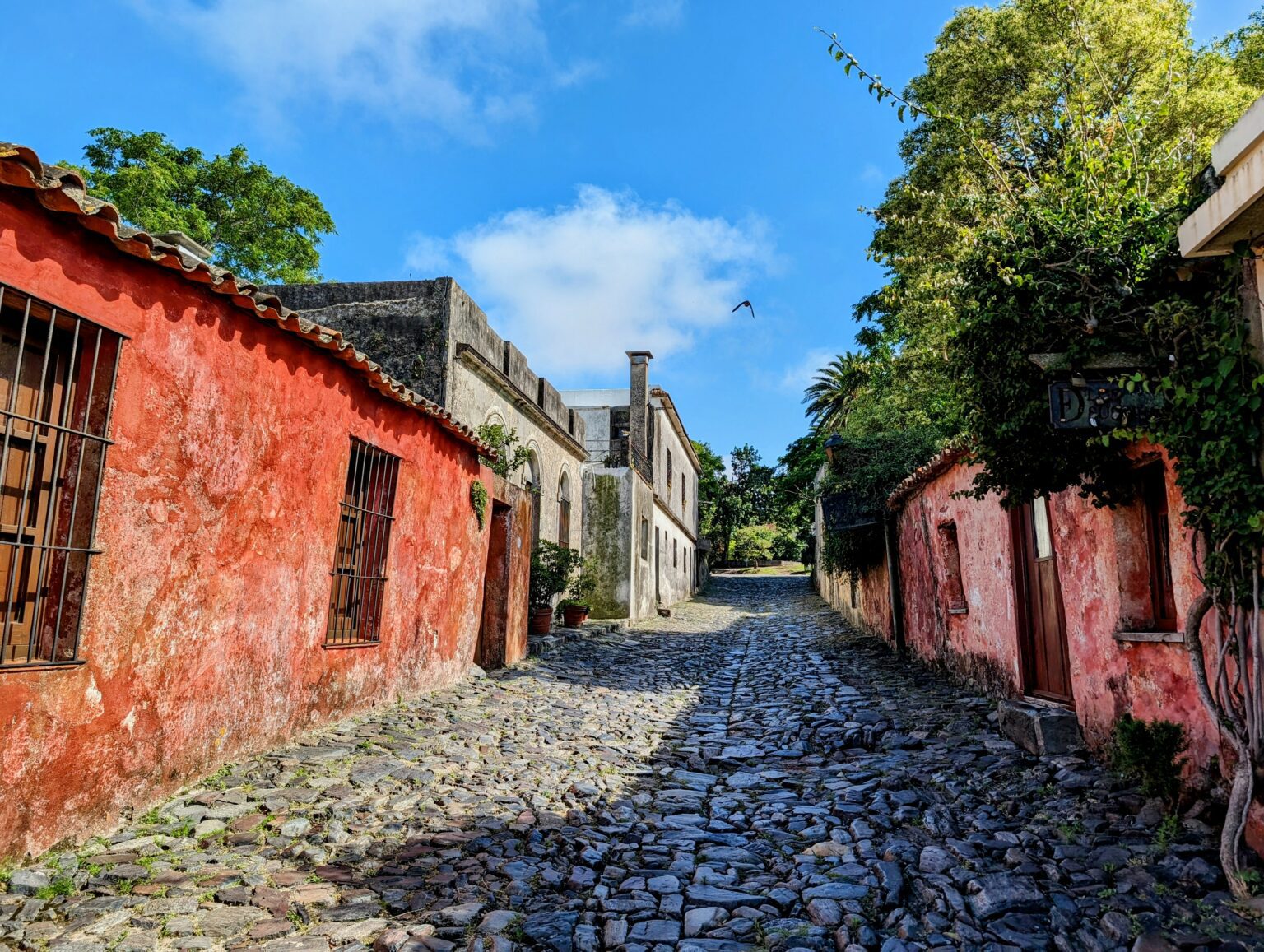
Colonia del Sacramento was founded by the Portuguese in 1680, and the walled quarter they left behind is small enough to cross on foot in a quarter of an hour. That compactness governs everything about where to stay in Colonia del Sacramento. The Barrio Histórico, added to the UNESCO World Heritage list in 1995, amounts to a few dozen cobblestone lanes: Calle de los Suspiros, Calle del Comercio, and the streets fanning out from Plaza Mayor 25 de Mayo. Rooms inside those blocks are finite, and they fill first. The district itself charges nothing — free entry to the historic district (Barrio Histórico), 0 UYU, with no gate and no closing hour. Three broad zones account for most Colonia del Sacramento accommodation. The first is the old town itself, where restored colonial houses operate as posadas and boutique hotels; windows open onto stone streets, the Faro de Colonia lighthouse stands minutes away, and the Río de la Plata is visible from the ramparts. The second is the modern centre along Avenida General Flores, where the bus terminal, banks and supermarkets sit and where rates and availability are steadier. The third runs north along the Rambla Costanera towards Real de San Carlos, a river-facing strip of larger properties, quieter and further out, better suited to travellers with a car or a rented bicycle. The choice between them turns on one pattern. Colonia is largely a day-trip town: ferries from Buenos Aires unload visitors through the morning, the Puerta de la Ciudadela funnels them into the same few lanes, and by early evening most of them have gone. Guests who sleep inside the Barrio Histórico get the second half of that cycle — lamplit cobblestones, an empty Plaza Mayor, the river turning dark beyond the sea wall. Guests outside it trade that for space, parking and a lower nightly rate. Neither is wrong; the difference is simply what the traveller wants from the hours after the last ferry leaves. Spanish-language searches for dónde alojarse en Colonia del Sacramento surface the same split, usually under the word posada. Practical constraints narrow it further. Vehicle access inside the walled quarter is restricted and the cobbles are unkind to wheeled luggage, so a car changes the calculation. Length of stay matters too: a single night rarely justifies the walk from the outer neighbourhoods, while three or four nights make the quieter riverfront blocks reasonable. Season shifts prices sharply — January and Carnival week are the peaks, and the southern-hemisphere winter now running through August is the cheapest and emptiest stretch of the calendar, with short daylight but almost no queues at the Portón de Campo. Addresses in the historic core all resolve to the same line: Barrio Histórico, Colonia del Sacramento, Uruguay, which makes map pins unhelpfully identical and street names the only reliable guide. Anyone weighing where to stay in Colonia del Sacramento should therefore work backwards from the itinerary rather than from a star rating, then check the booking pages on this site for what is actually available on those dates.
“Guests who sleep inside the Barrio Histórico get the second half of the cycle: lamplit cobblestones and an empty Plaza Mayor.”
The Best Time to Arrive Before Checking Into Where to Stay in Colonia del Sacramento
The best arrival window is 09:00–11:00, which avoids mid-day tourist crowds and provides better light for walking the historic cobblestone streets. Planning your arrival during this window allows you to navigate the Barrio Histórico comfortably before settling into your choice of lodging.
Weekday mornings
Minimal—
Quiet streets allow for easier luggage transport and photography.
Spring (Oct-Nov)
ModerateMild (15°C–23°C)
Pleasant temperatures and lower humidity define the shoulder season.
Autumn (Apr-May)
ModerateMild (14°C–22°C)
Stable weather patterns provide consistent conditions for exploring on foot.
Summer (Jan-Feb)
HighHot (20°C–29°C)
Longer days increase activity levels and local accommodation demand.
Verdict: Arrive between 09:00–11:00 on a weekday during the shoulder months of April or October for the optimal balance of calm and temperate weather.
Dining Near Where to Stay in Colonia del Sacramento
The Barrio Histórico offers numerous dining options ranging from formal restaurants to casual cafes located directly within the historic district. Visitors seeking lower prices often venture slightly outside the main tourist zone toward the neighborhood near the bus station and city center.
El Drugstore
€€€restaurant
Located on the corner of De la Playa and Real, this establishment features outdoor seating in the heart of the historic district.
Charco Bistro
€€€restaurant
Situated on the waterfront within the historic area, it focuses on regional ingredients with views of the Rio de la Plata.
La Pasiva
€€restaurant
Found in the modern city center area near General Flores, this venue offers a local casual dining experience away from the primary tourist streets.
Feria Artesanal y Mercado
€market
Located near the entrance to the historic district, this area provides access to local snacks and basic supplies for those preferring to manage their own meals.
Mercado Central
€€market
Positioned just outside the formal historic district, this indoor space hosts multiple vendors offering varied quick dining options.
Sights Within Walking Distance of Where to Stay in Colonia del Sacramento
Staying within or near the Barrio Histórico places you within a short distance of major landmarks. Most points of interest are accessible via a walk through the historic streets, which maintain an entrance fee of 0 UYU and are open monday: 00:00–23:59, tuesday: 00:00–23:59, wednesday: 00:00–23:59, thursday: 00:00–23:59, friday: 00:00–23:59, saturday: 00:00–23:59, sunday: 00:00–23:59.
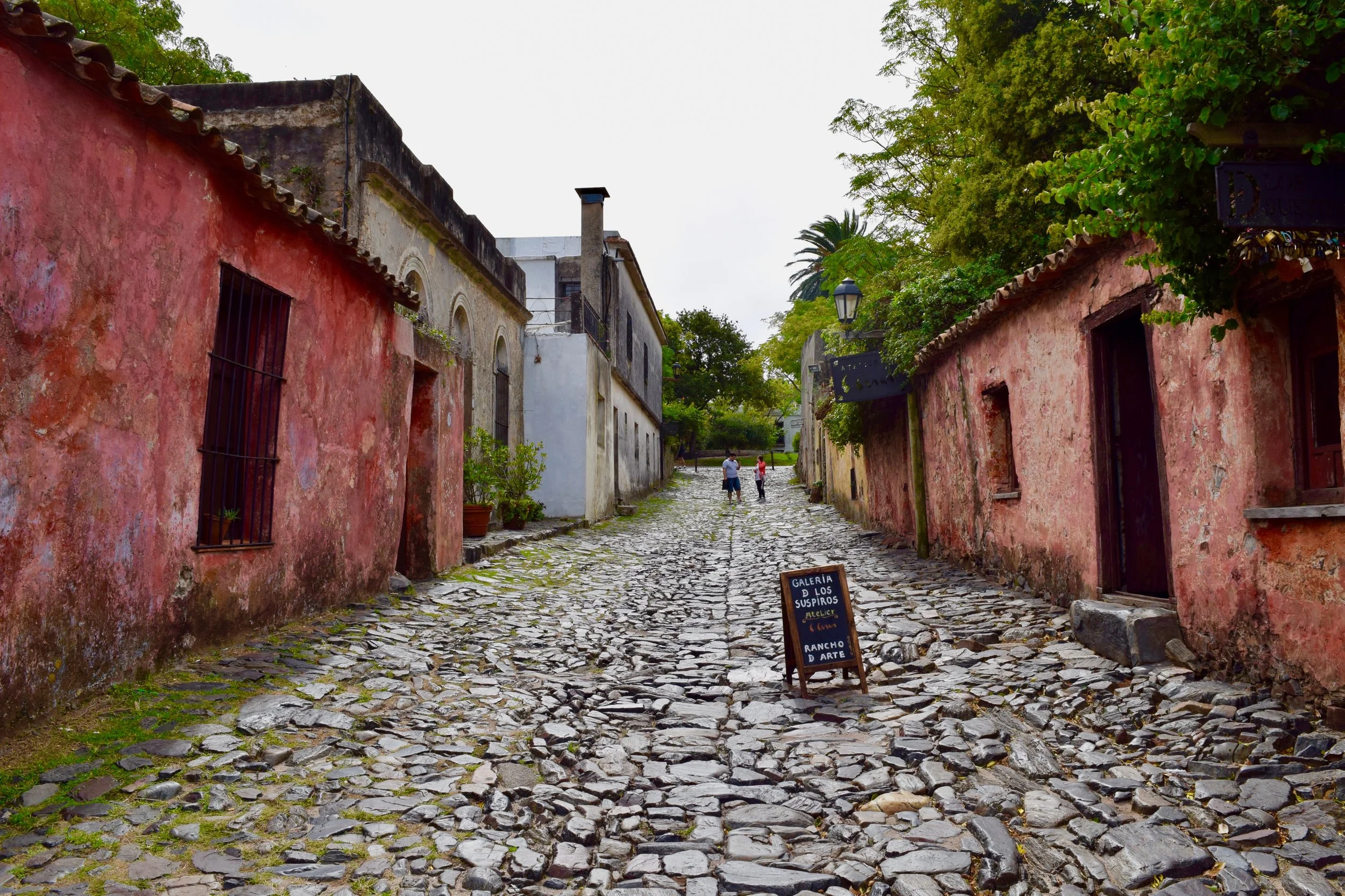
Calle de los Suspiros
This famous cobblestone street is located in the Barrio Histórico and provides a direct connection to the early colonial architecture.
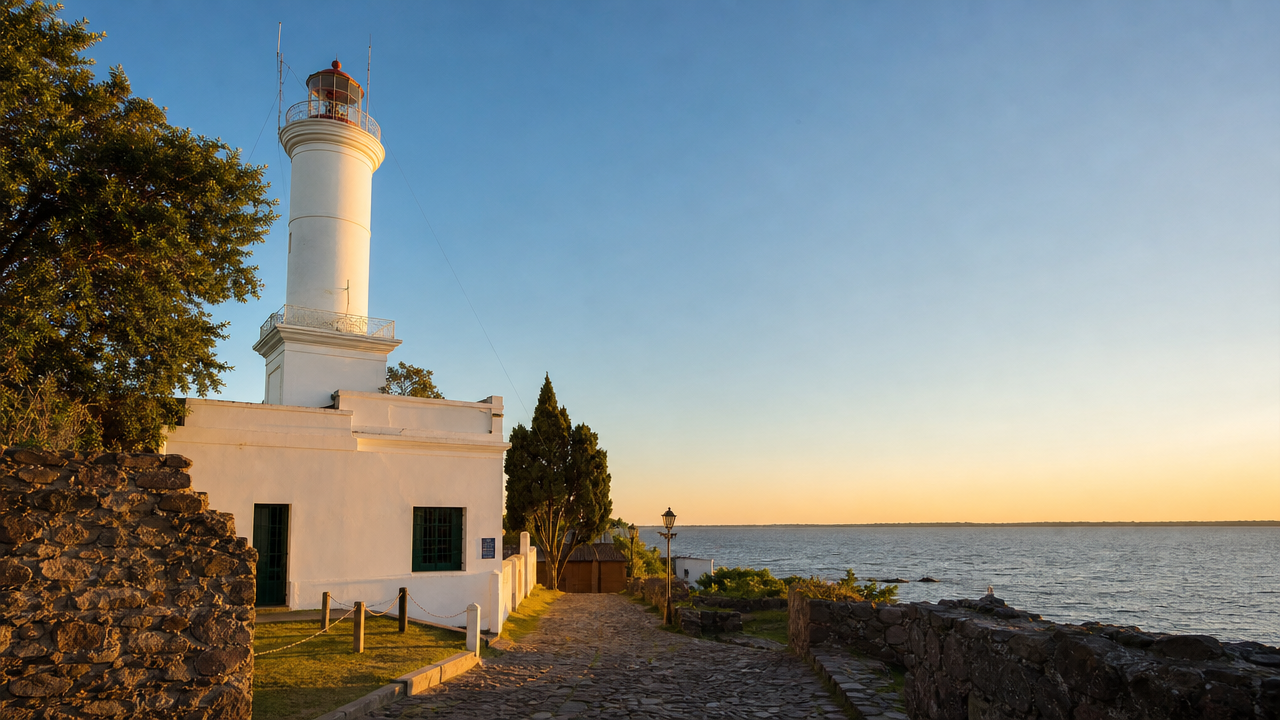
Colonia del Sacramento Lighthouse
Positioned within the historic district, the lighthouse offers views over the Río de la Plata and is accessible daily.
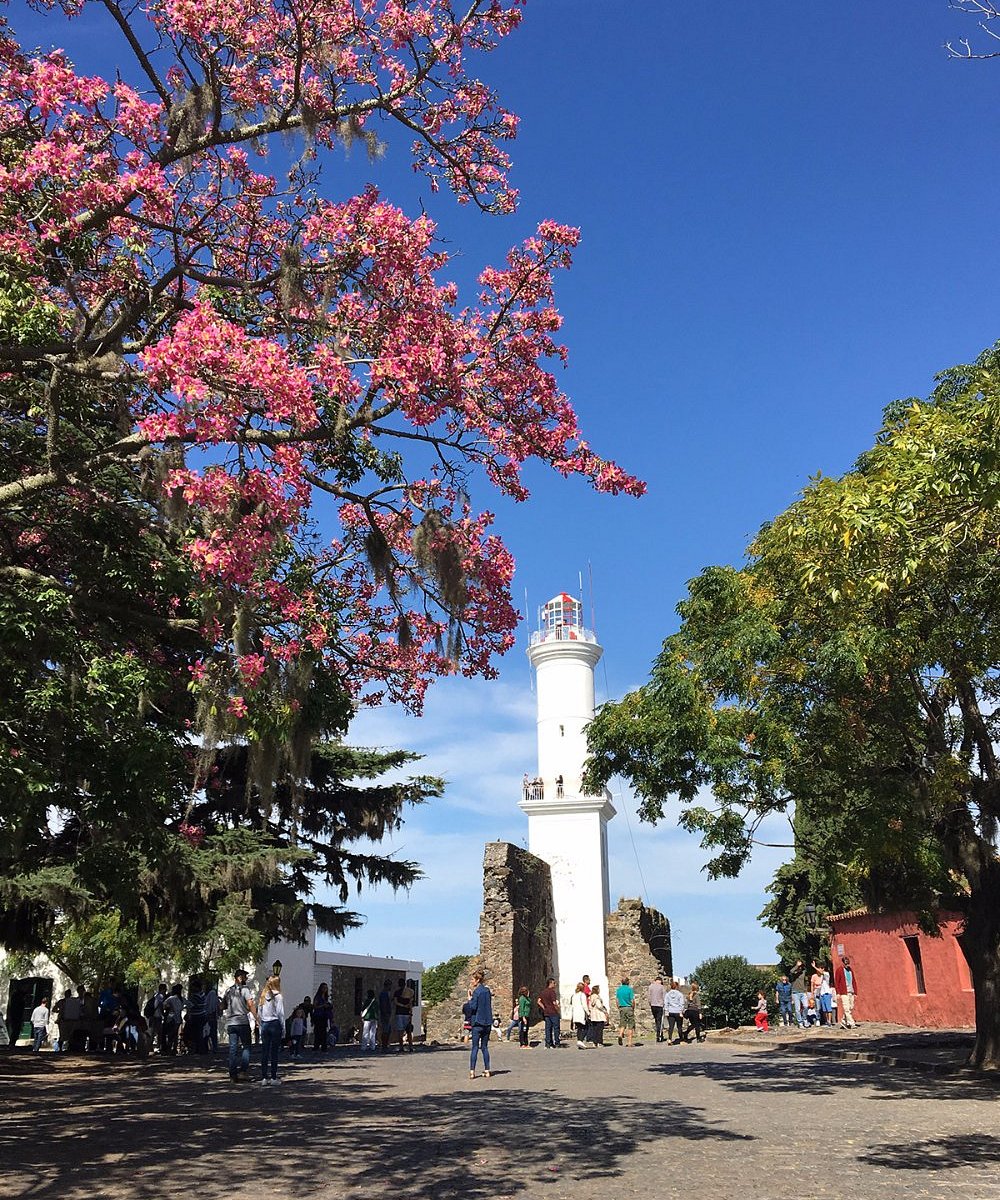
Plaza Mayor
This central square serves as a quiet navigation point when exploring the surrounding museum sites and residential architecture.
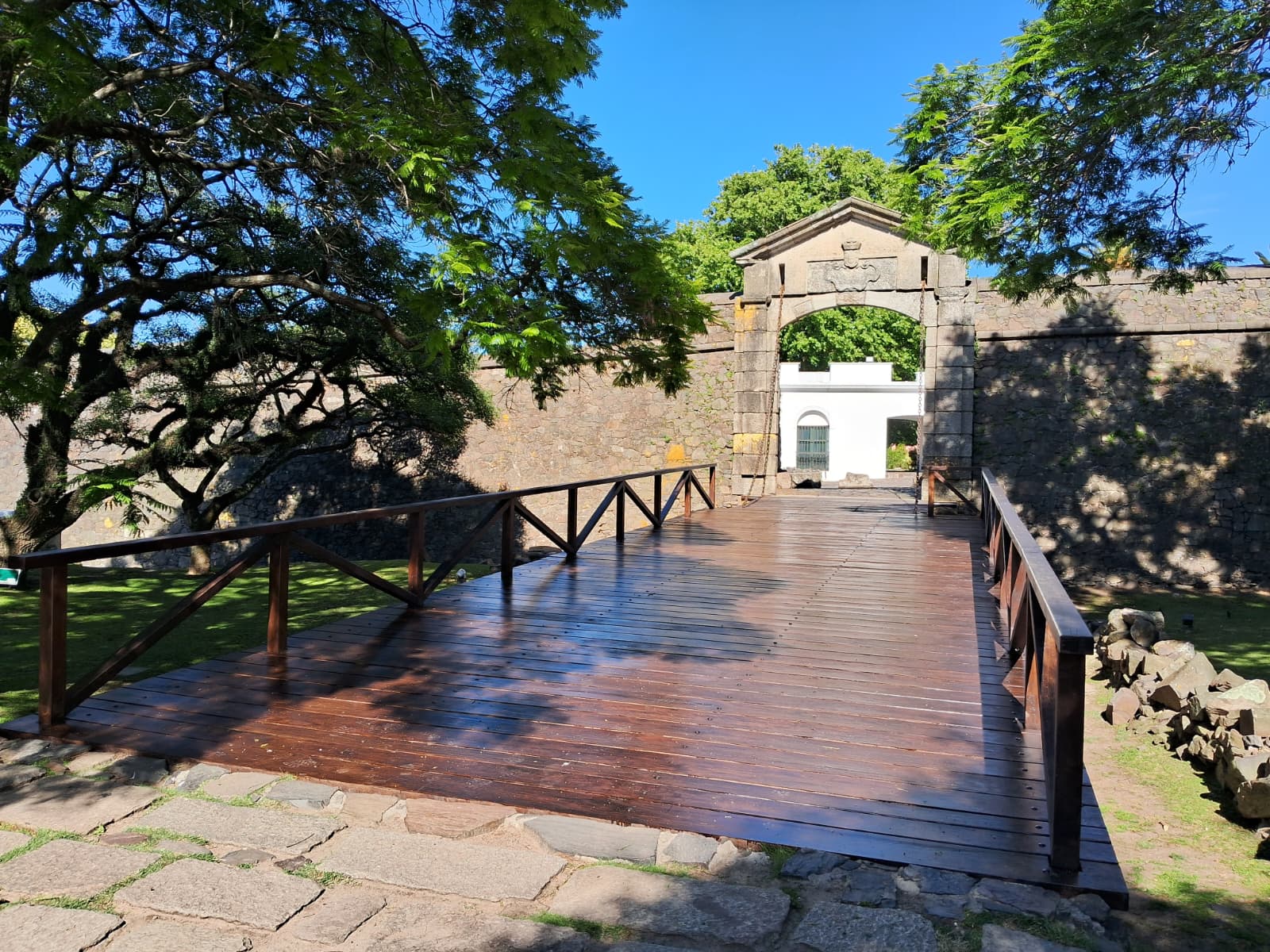
Portón de Campo
The original city gate marks the transition into the historic area and is a primary landmark for visitors entering from modern districts.
Pre-Visit Checklist for Where to Stay in Colonia del Sacramento
A few decisions made in the weeks before you travel determine how much of the Barrio Histórico you actually get to enjoy on foot.
-
Book accommodation inside Barrio Histórico — Staying within the walled quarter puts the cobblestone streets outside your door and removes transfers.
-
Reserve ferry crossings weeks ahead — Buenos Aires–Colonia sailings sell out on weekends and Uruguayan holidays.
-
Carry your passport, not just ID — Crossing from Argentina to Uruguay requires a valid passport at both terminals.
-
Confirm your hotel's check-in window — Most guesthouses cannot hold rooms before mid-afternoon, so plan luggage storage.
-
Exchange or arrange Uruguayan pesos — Smaller posadas and market stalls may not accept cards, though the historic district itself costs 0 UYU to enter.
-
Pack flat, sturdy walking shoes — The original 17th-century paving is uneven and hard on smooth soles.
-
Plan a 09:00–11:00 first walk — That window suits the light and the quiet streets before the day-trip crowds arrive.
-
Check https://colonia.gub.uy before departure — Municipal notices list street closures, events, and any temporary access changes.
Check availability
Frequently Asked Questions About Colonia Accommodation
Everything you need to know about where to stay in colonia del sacramento